Topics
This page features a collection of video summaries and podcasts, synthesizing topics and threads that are often spread across multiple chapters, volumes or books.
-
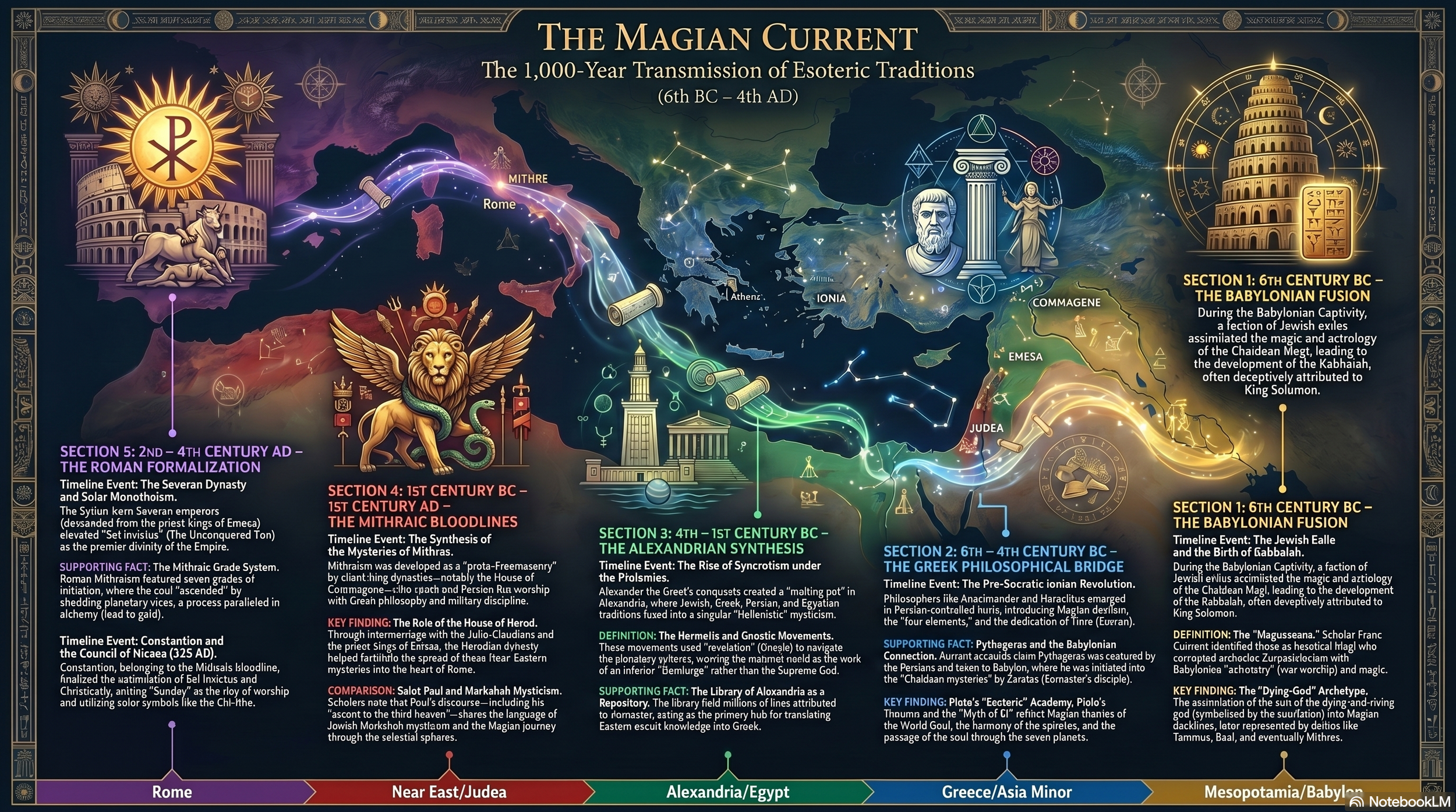
The Babylonian Magi and the Origins of the Kabbalah
Summarizing Ordo ab Chao, this overview traces occultism's esoteric roots to the 6th-century BC fusion of Chaldean magic and the "dying-god" archetype. It details how Magussean heretics and Jewish exiles developed the Kabbalah, transmitted to Rome via Mithraic bloodlines like the House of Herod. This "secret blueprint" was synthesized in the Book of Revelation, portraying Jesus as a Kabalistic solar-hero.
-
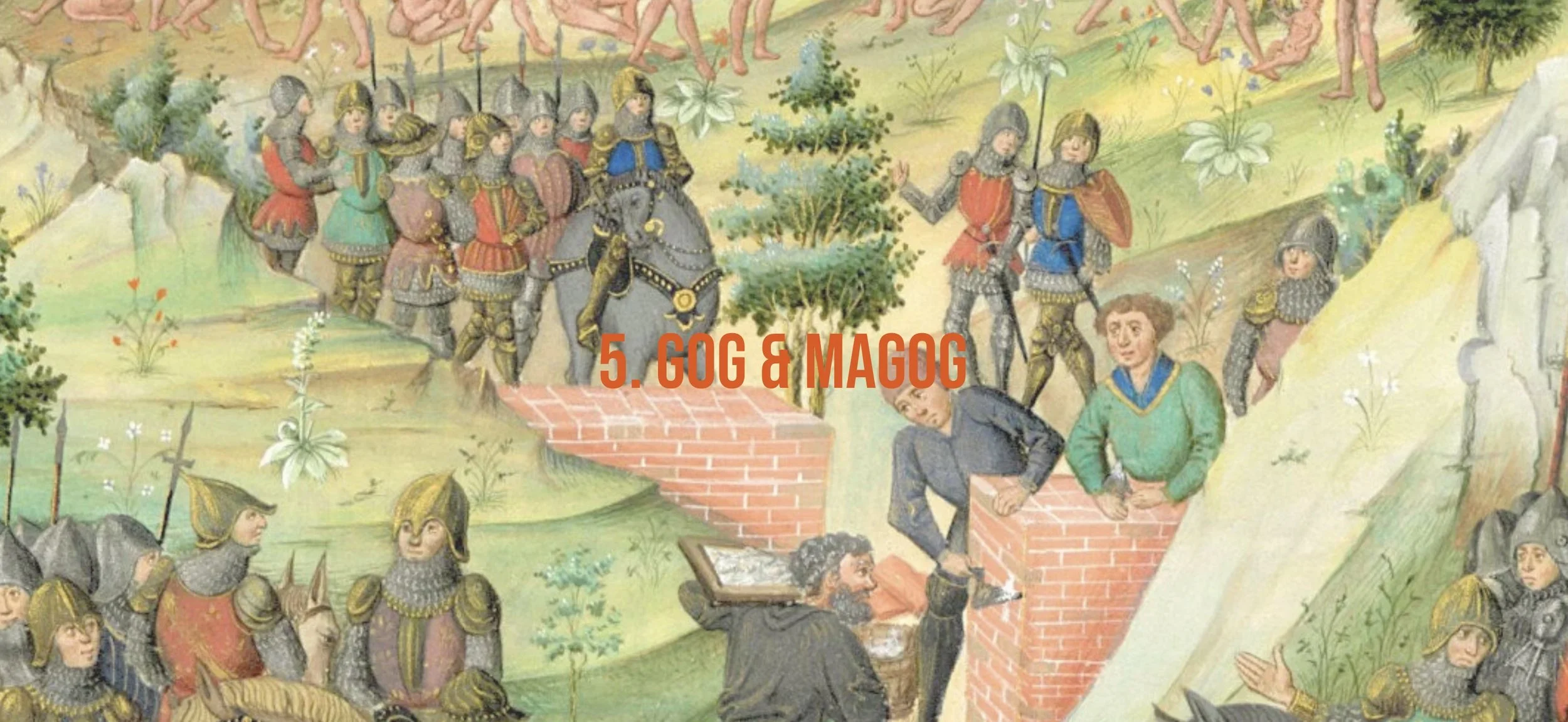
Ancient Aryans: Gog and Magog, the Lost Tribes of Israel and the Conquests of Alexander the Great
An Overview produced by NotebookLM, of Chapter 5 of Volume One of my book, Ordo ab Chao, titled Gog and Magog, explores European and Asian origins through history, eschatology, and occult legends. It tracks the Lost Tribes and Aryan race to the Caucasus and Altai Mountains. The text examines Scythians, Huns, and Khazars contained behind Alexander’s wall, linking Jewish messianism to Tibetan and Indian cultures. Finally, it details Carolingian and Septimanian impacts on royalty and Kabbalah.
-
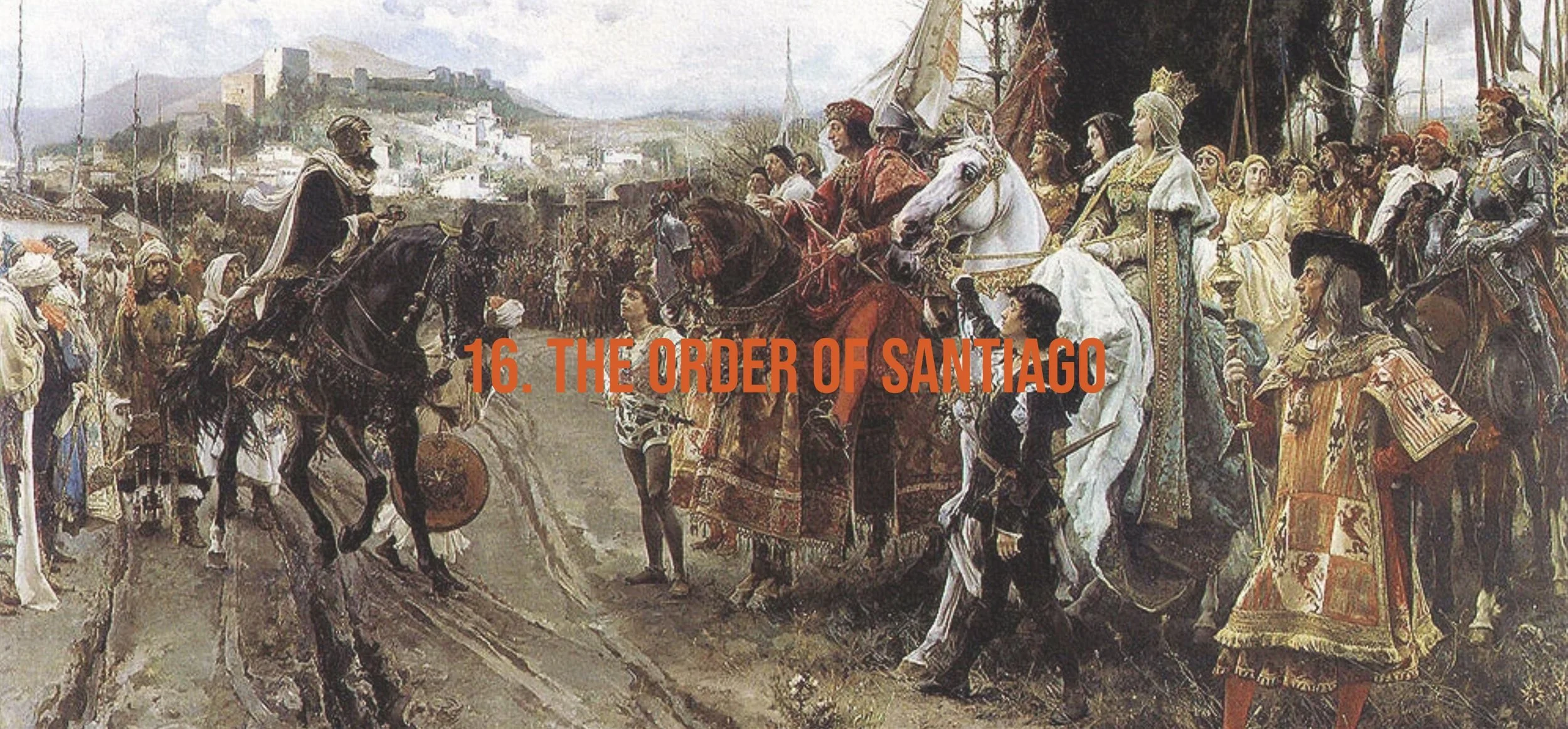
From the Holy Grail to the Reconquista
This video overview provides a summary of the key points that culmiate in Chapter 16 of Volume One of my book, Ordo ab Chao, titled The Order of Santiago, examines how dynasties like the Savoy, Lusignan, and Plantagenet used Grail and “Knight of the Swan” lineages to claim Jerusalem. These ties influenced the Reconquista via Cluny and neo-Templar orders like Santiago, Christ, and Montesa. Finally, it details how Marrano families, like the Abarbanels, transferred esoteric knowledge and wealth to the Medici court, fueling the Italian Renaissance.
-
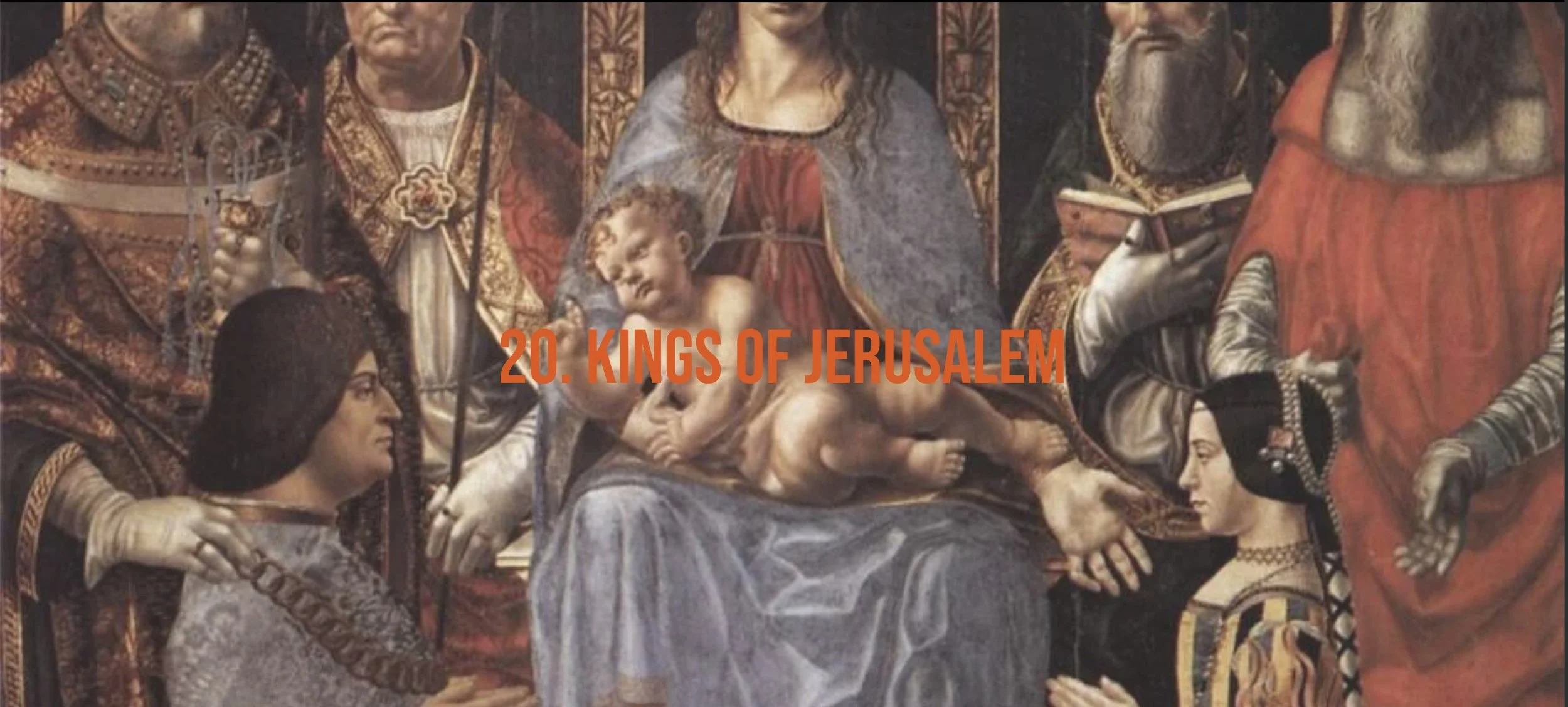
Kings of Jerusalem: Bloodlines of the Renaissance
An Overview produced by NotebookLM, of Chapter 20 of Volume One of my book, Ordo ab Chao, titled Kings of Jerusalem, examines European dynastic evolution, specifically how the Savoy, Medici, and Este families utilized strategic marriages to claim titles like King of Jerusalem. It tracks the double-headed eagle from Mesopotamia to the Holy Roman Empire. By linking figures like da Vinci and Nostradamus to secret chivalric orders, the text reveals how alchemy and Hermeticism influenced Renaissance politics and Habsburg-Valois conflicts.
-

From Agartha to the Swastika: Edward Bulwer-Lytton and the Occult Origins of the Modern Geopolitics
The podcast explores a central character in all of my book, Edward Bulwer-Lytton’s leadership in the Occult Revival and global reform. Along with Benjamin Disraeli, he used the Scottish Rite to align imperial projects with Sufism. The narrative traces the swastika’s migration from Ismaili circles to the SRIA and highlights Jamal ud-Din al-Afghani’s introduction of the Agartha legend. These Aryan myths and Vril power ultimately linked Bulwer-Lytton’s literature to Pan-Turkism and the Thule Society.
-
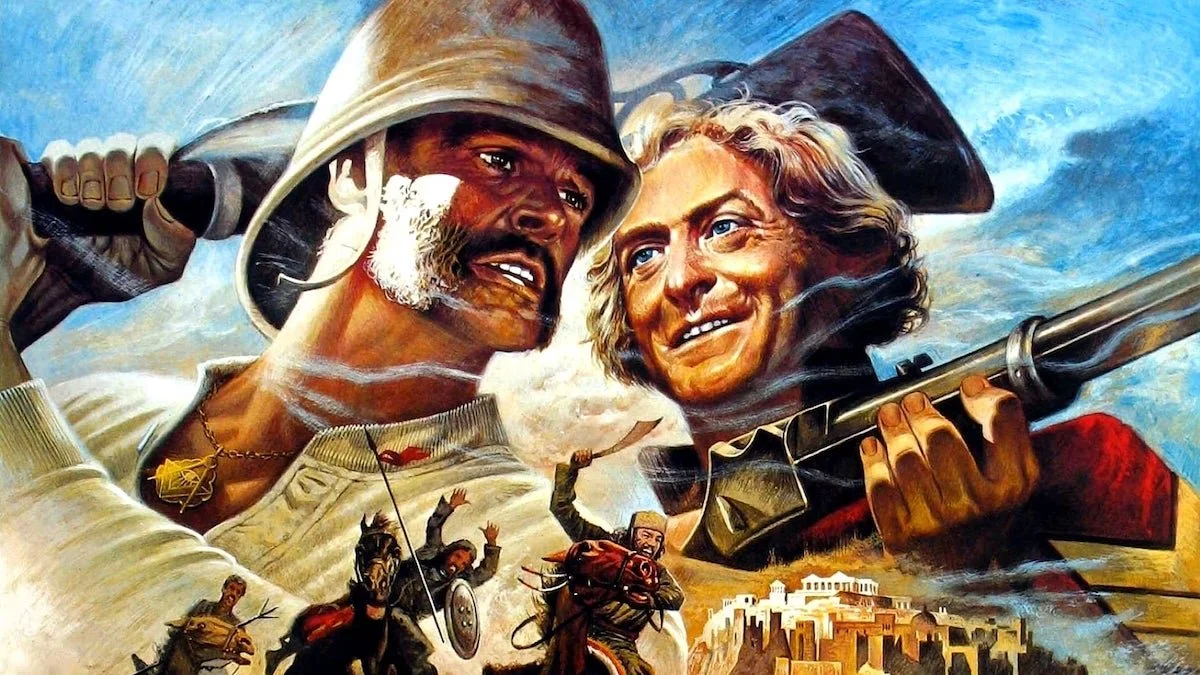
The Man Who Would be King: The Masonic Great Game and the Solomonic Legacy of Afghanistan
This video overview, which is a summary of part of Chapter 20, The Valleys of the Assassins, of Volume One of my book, Divide and Conquer: Muslims vs Islam, explores the Masonic "Great Game" and Afghanistan’s Solomonite legacy. It highlights Jamal ud-Din al-Afghani’s 1868 advisory role and Pashtun descent from Israel’s Lost Tribes via Prince Afghana. Linking these to the Masonic interest in Alexander the Great, it shows how Josiah Harlan inspired Rudyard Kipling (a Mason using the swastika) to write The Man Who Would Be King, later a 1975 film
-
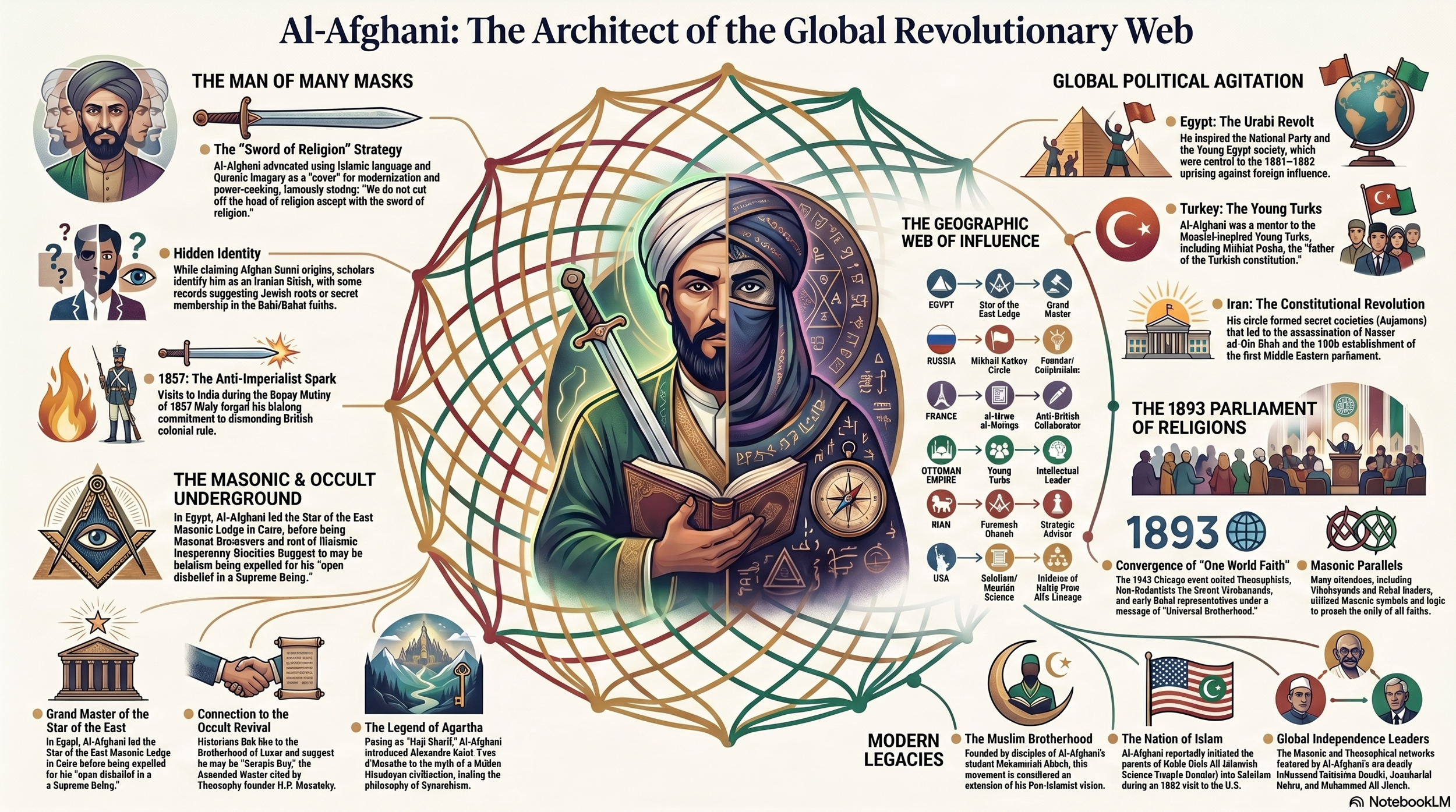
Jamal ud-Din al-Afghani and the Sword of Religion
This overview generated by NotebookLM covers the enigmatic life and extensive political influence of Jamal ud-Din al-Afghani, as detailed in my several books, particularly Divide & Conquer: Muslims vs Islam, covering his use of the "sword of religion" for political mobilization. It follows his agitation through Egyptian Masonic lodges and his occult roles as a Theosophical "Ascended Master" and source of the Agartha legend. The video also examines his leadership in the Young Turks and the 1906 Iranian Revolution. Finally, these influences converged via the 1893 Parliament of Religions to shape the Muslim Brotherhood and Nation of Islam.
-
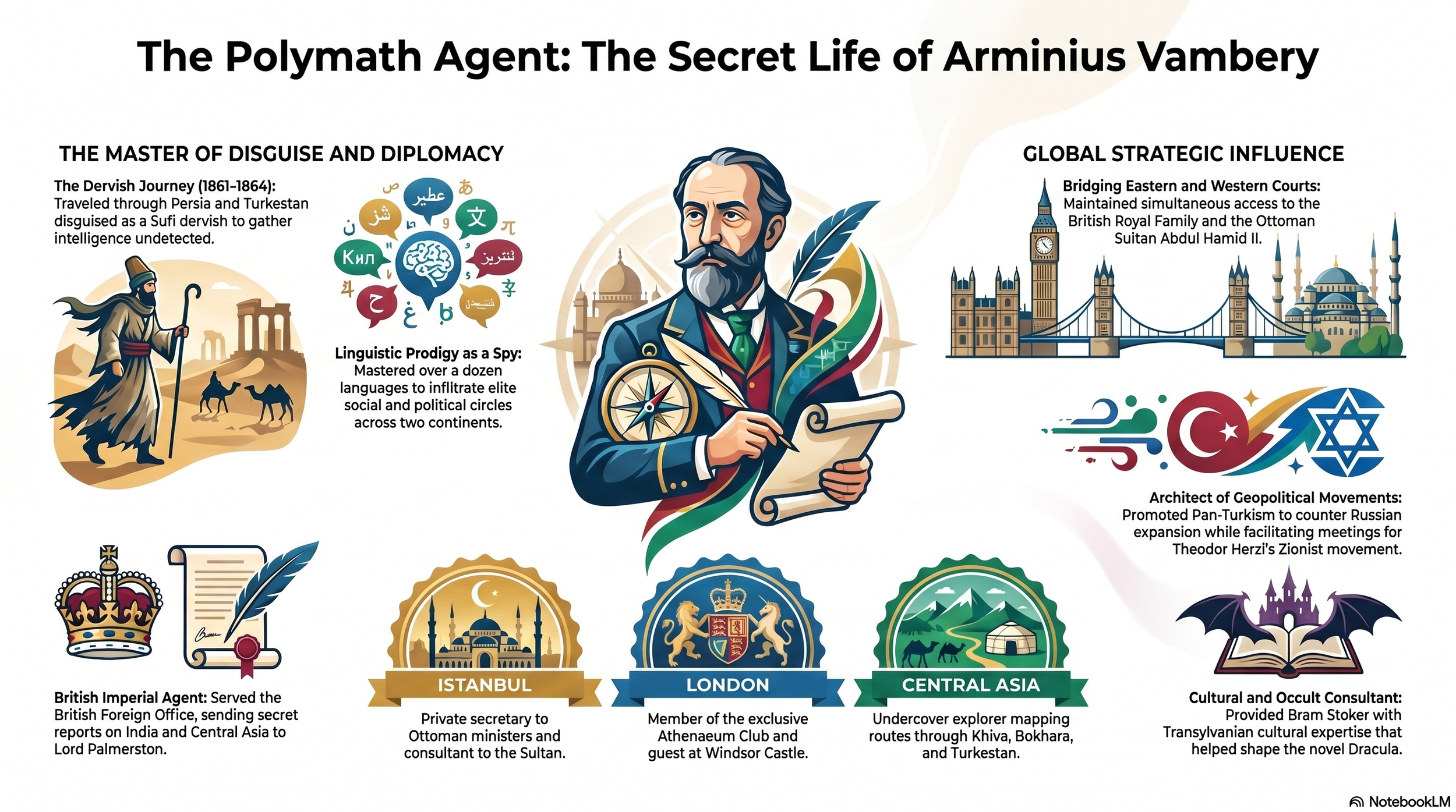
Arminius Vambery: Pan-Turkism, Zionism and Vampires
The video overview, covering the details of several chapters of Volume One of Divide & Conquer: Muslims vs Islam, explores the extraordinary life of Arminius Vambery, a British agent and linguistic prodigy during the "Great Game". It details his disguised journey and access to the British and Ottoman courts. Vambery promoted Pan-Turkism against Russia, identified al-Afghani as a threat, and influenced Bram Stoker, Theodor Herzl, and the Bahai Faith. Finally, his Masonic ties fostered the Young Turk Revolution and the secular ideology of Kemalism
-
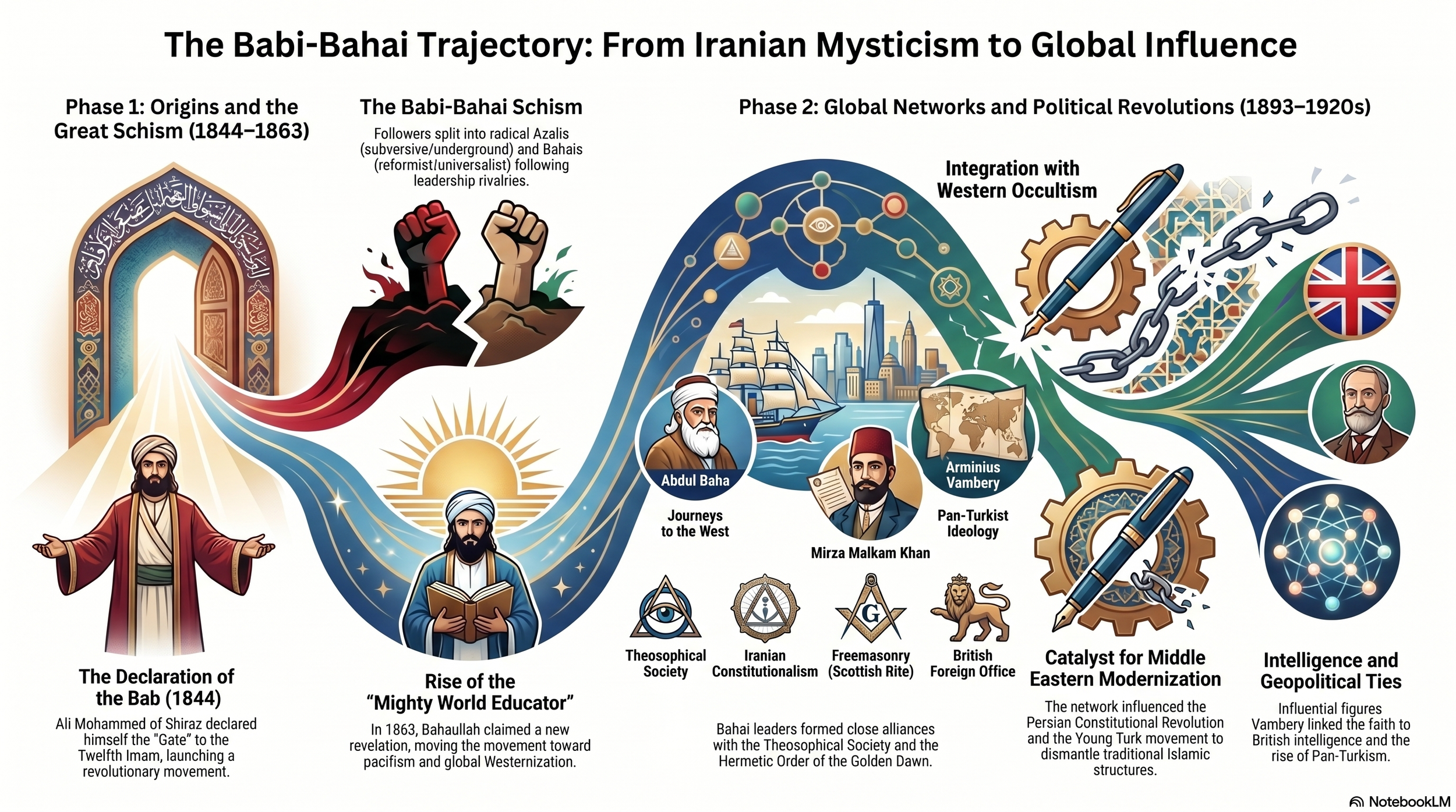
Avalonian Bahais: Freemasons, Pan-Turksim and the Subversion of the Ottoman State
This NotebookLM podcast explores a subject spread across several chapters of my book, Divide & Conquer: Muslims vs Islam, about the the Babi-Bahai emergence from Shaykhism. While radical Azalis used Taqiyya for revolution, the Bahai Faith established a "Universal Religion" mirroring Masonic goals. Linking Western occultism via "Avalonian Bahais" and geopolitics through agent Arminius Vambery, these forces dismantled Islamic authority to build the Masonic and secular foundations of Atatürk’s Turkey.
-
The Masonic Roots and Zionist Alliances of the Young Turks
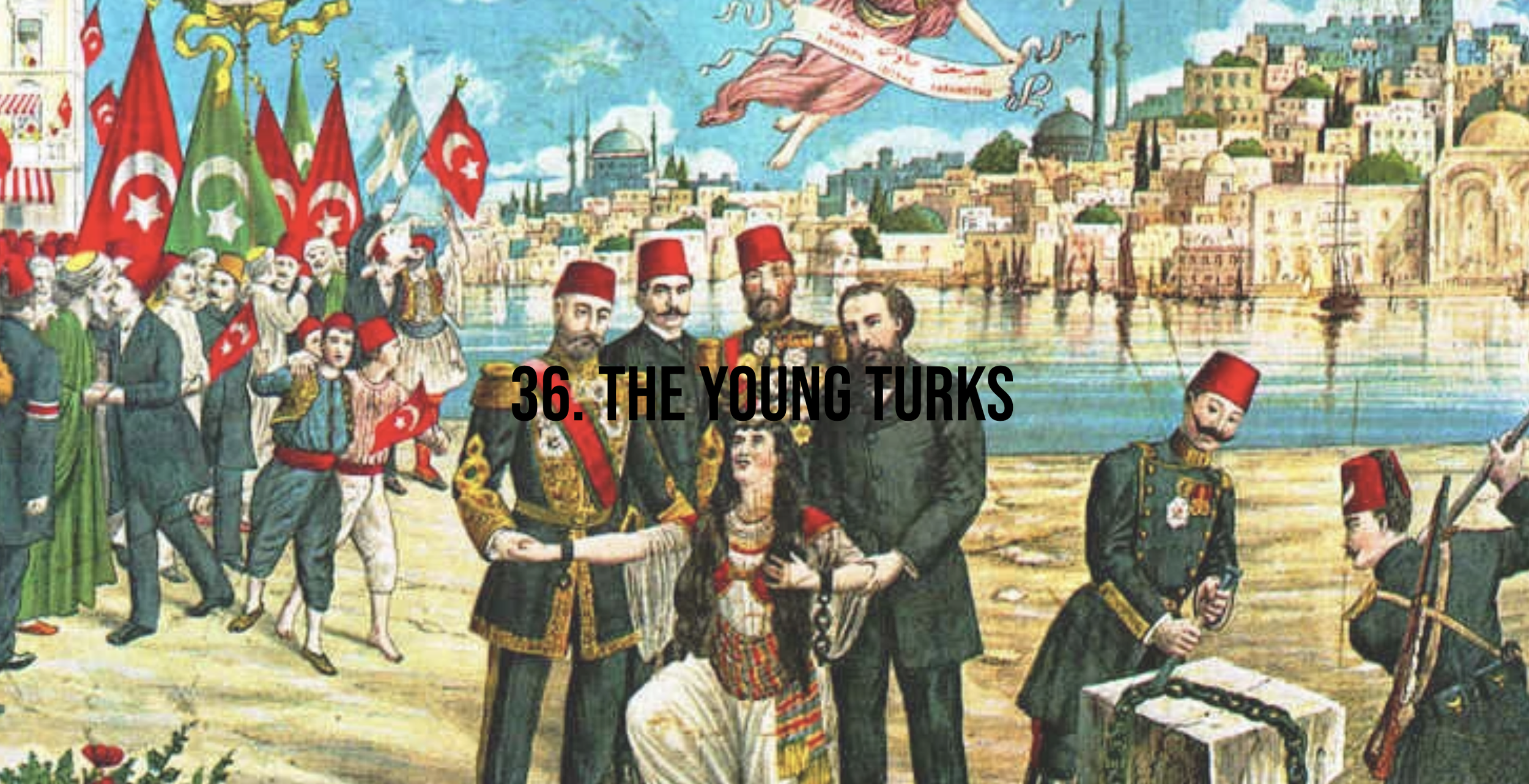
This NotebookLM overview covers Chapter 36: The Young Turks, of Volume One of my book Divide & Conquer: Muslims vs Islam, which analyzes the Committee of Union and Progress (CUP), a Masonic party influenced by Dönmeh Jews that orchestrated the 1908 coup. Utilizing lodges like Macedonia Risorta, the CUP followed Jamal ud-Din al-Afghani’s mentorship to replace Sharia with parliamentary rule. The text details the movement’s Babi-Bahai ties and its strategic alliance with the World Zionist Organization. Ultimately, the “Three Pashas” oversaw the Ottoman Empire’s disintegration into modern national states.
-
Occult Roots of Pan-Turkism
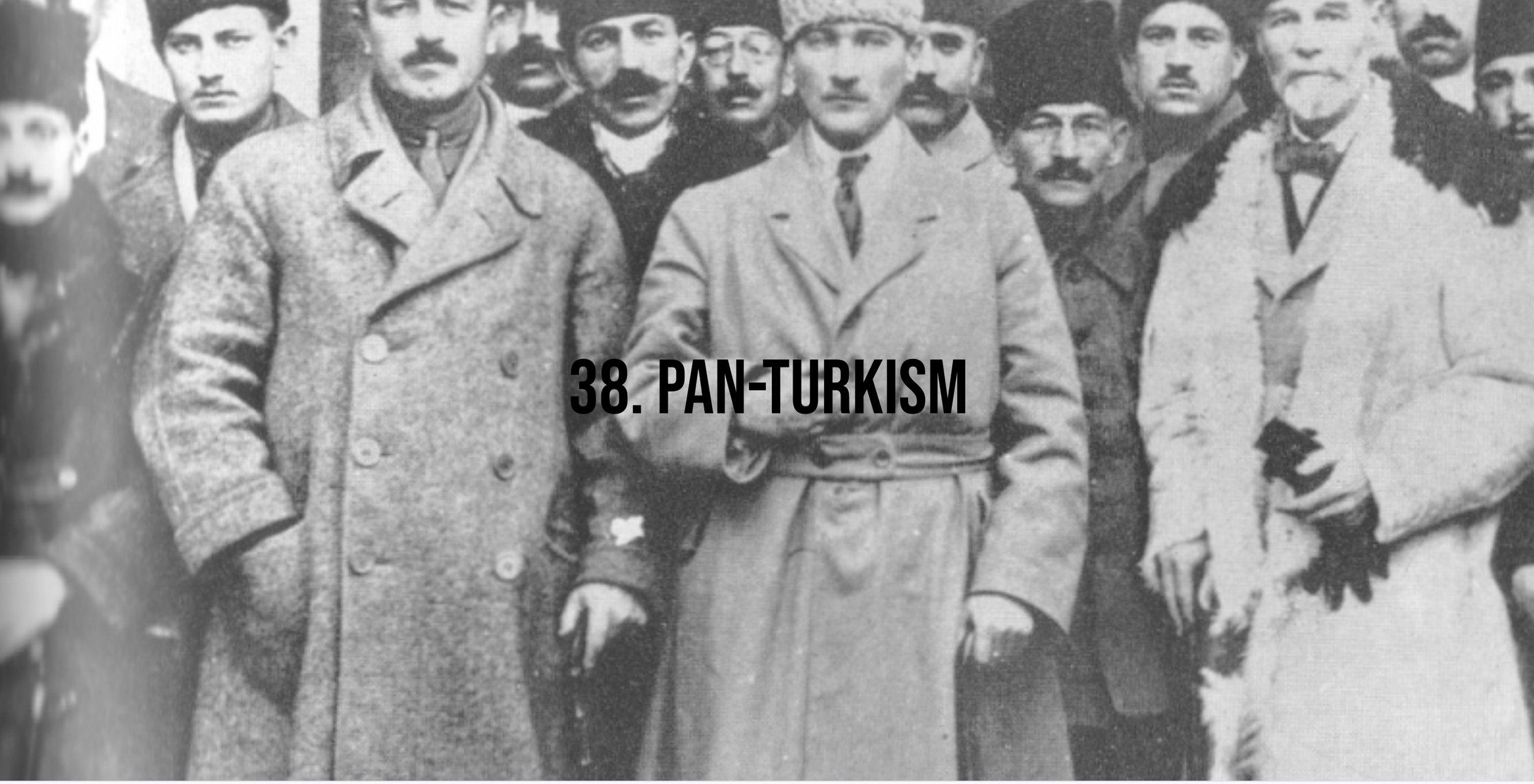
This NotebookLM video overview describes the contents of Chapter 38 of Volume One of my book, Divide and Conquer: Muslims vs Islam, explores how Western racial mysticism shaped the Turkish Republic. It traces Bulwer-Lytton's concepts of Vril and the Hyperborean race through the Thule Society to the Young Turks. The CUP leveraged Masonic lodges (Veritas, Macedonia Risorta) and Bektashi networks for their revolutionary framework. Ultimately, Atatürk used the Ergenekon and Grey Wolf myths to replace Islamic identity with secular racial nationalism.
-
Faramosh Khaneh: Freemasons, Bahais and the Creation of Modern Iran
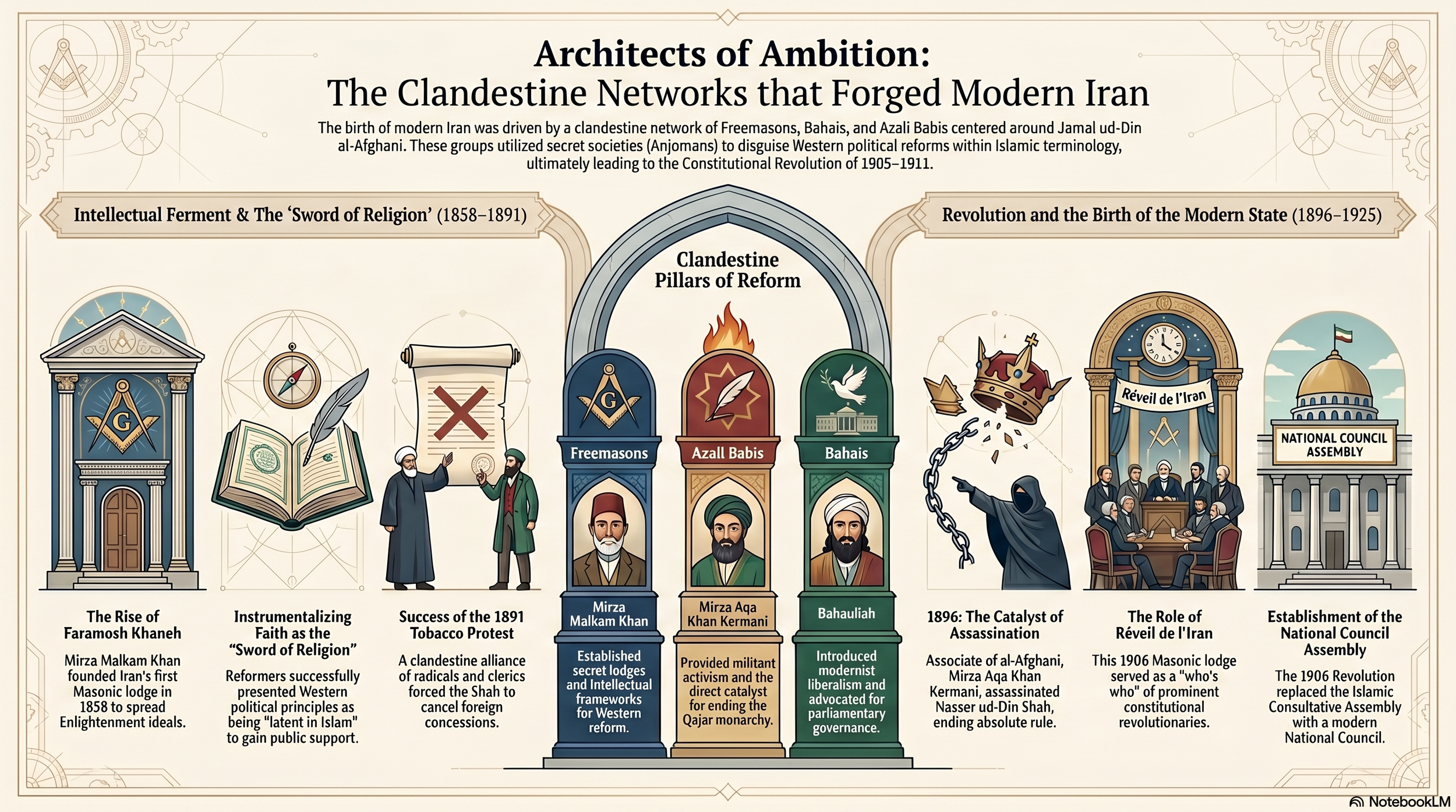
This podcast, exploring topics covered in Volume One of my book, Divide & Conquer: Muslims vs Islam, examines the secret network of Freemasons, Bahais, and Azali Babis around Jamal ud-Din al-Afghani. It traces Mirza Malkam Khan’s Faramosh Khaneh and the Anjomans’ involvement in the Reuter Concession and Tobacco Plot, highlighting al-Afghani’s "sword of religion" tactic. Following the 1896 assassination of Nasser ud-Din Shah, the Réveil de l'Iran lodge spearheaded the 1906 Constitutional Revolution, eventually leading to the Pahlavi dynasty
-
Universal Religion: Neo-Vedanta, Theosophy, and Indian Nationalism
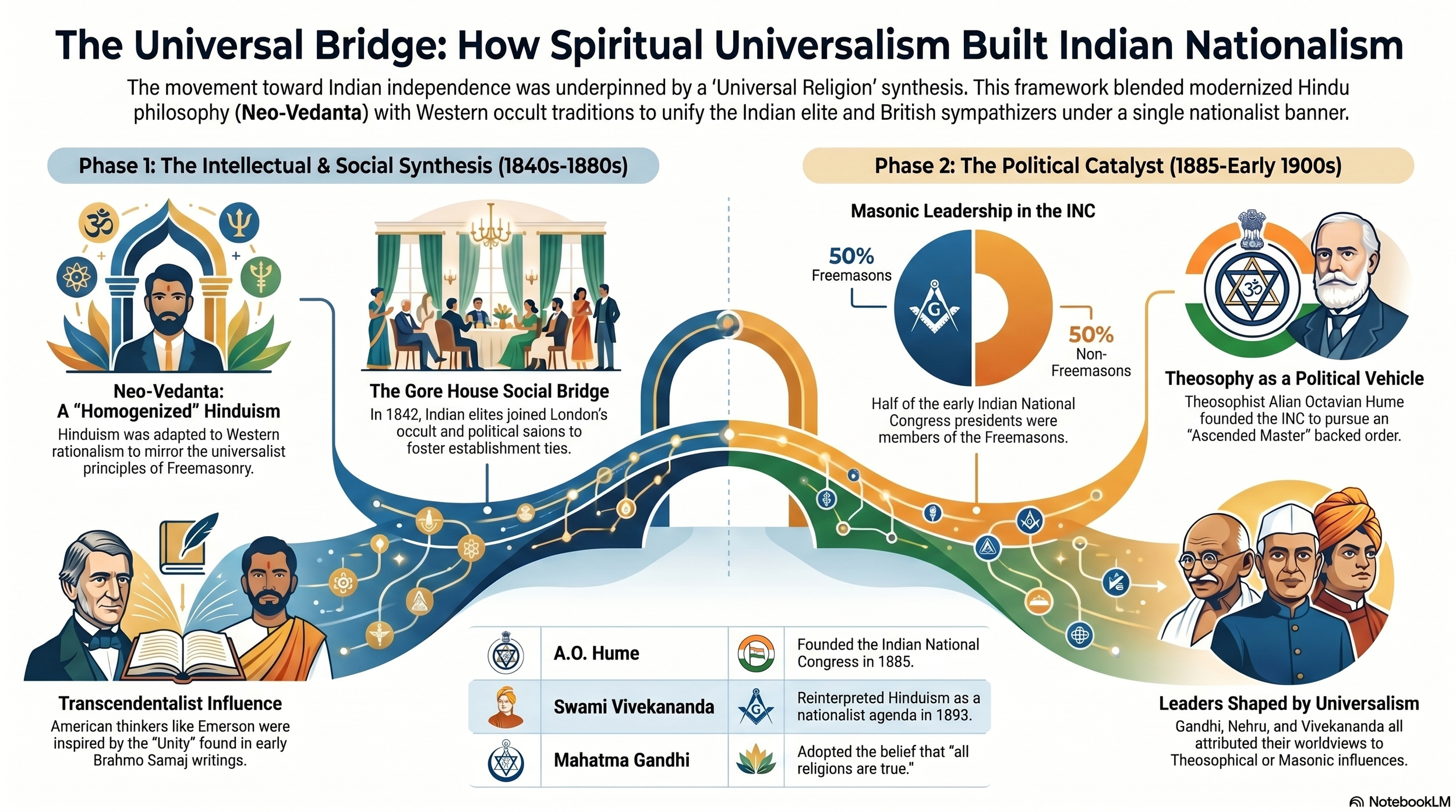
This video overview explores how Neo-Vedanta, Transcendentalism, and Theosophy created a "Universal Religion" that underpinned the Indian National Congress. It details how homogenized Hinduism mirrored Masonic ideals, fostered at Gore House by Edward Bulwer-Lytton. Finally, it shows how Masonic and Theosophical leaders mentored nationalist icons like Gandhi, Nehru, and Vivekananda.
-
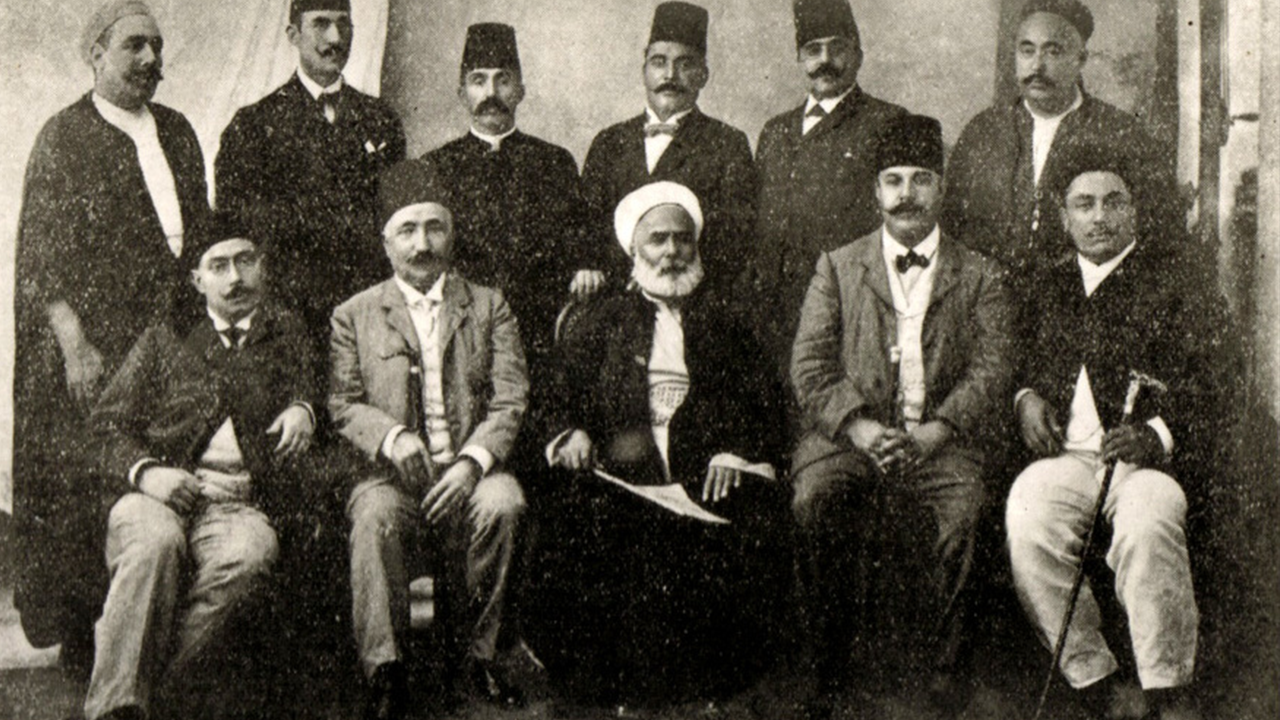
Salafism in Service of Empire: Mohammed Abduh and Lord Cromer
“Unmasking Mohamed Abduh” reveals how the Salafist architect used the “Sword of Religion” to subvert Islam for British interests. It explores his clandestine life as a Masonic Master, his role in the Urabi Revolt, and his collaboration with Lord Cromer to secularize Al-Azhar and legitimize interest-based banking.
-
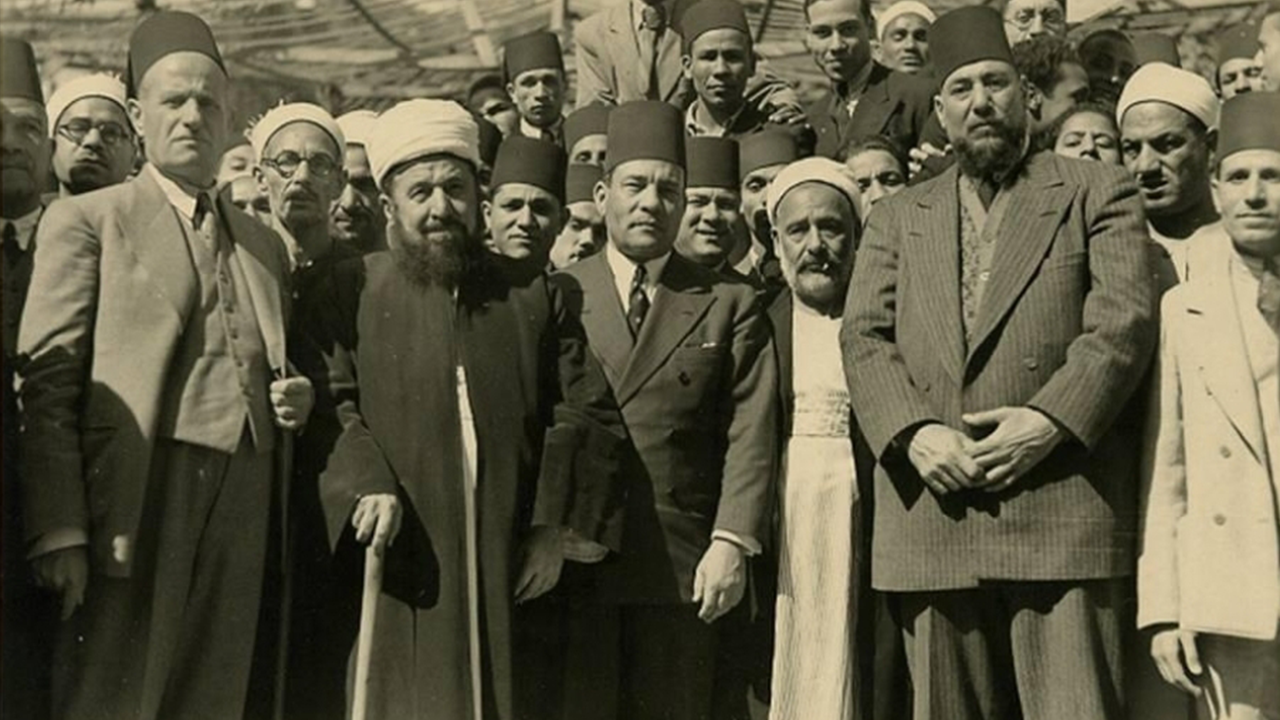
Rashid Rida: Using Salafism and Pan-Arabism to Topple the Ottoman Empire
This video, which follows topics explored in Volume Two of my book, Divide & Conquer: Muslims vs Islam, examines the Salafist architect’s role in the “Sword of Religion” scheme to subvert Islam from within. It traces his lineage from Afghani and Abduh, his journal al-Manar, and his use of Pan-Arab secret societies. The video details his ultimate legitimization of the Saudi-Wahhabi conquest.
-
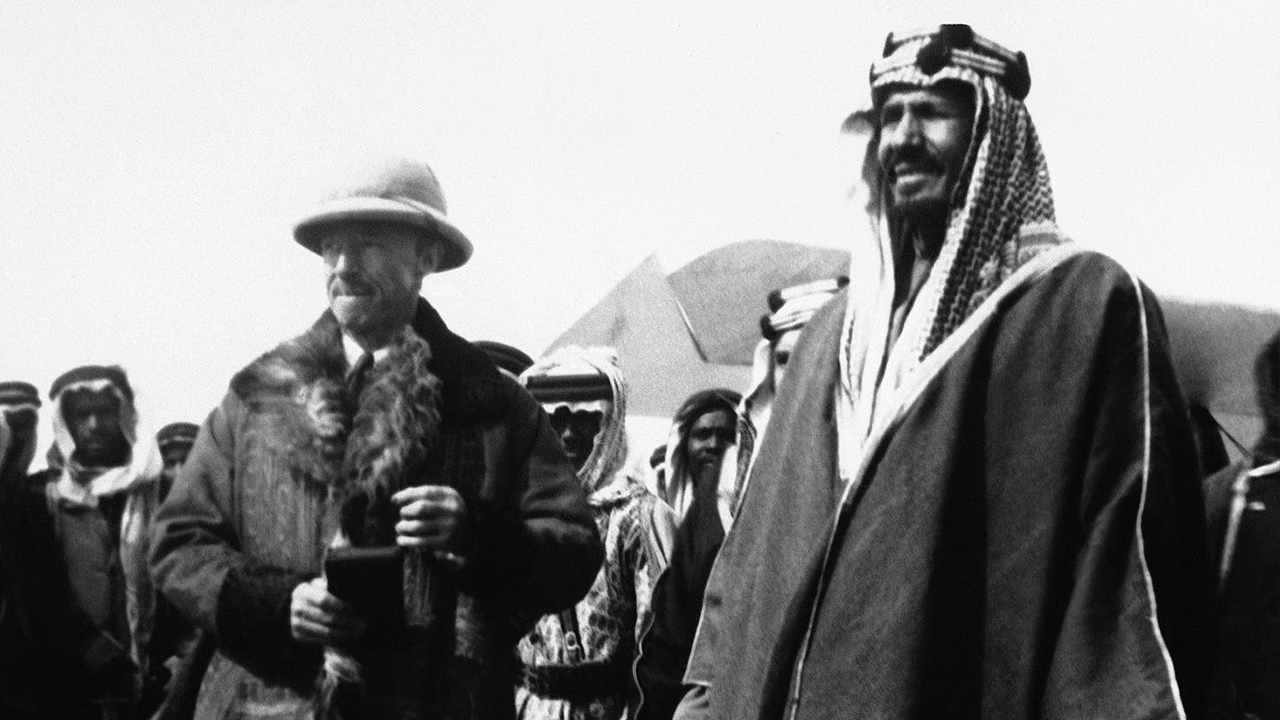
The Curse of Najd: The British and the Origins of the Saudi State
The video explores a topic covered in Volumes One and Two of my book, Divide & Conquer: Muslims vs Islam, about the strategy employed by the British Empire to dismantle Ottoman authority through a strategy to dismantle Ottoman authority via the Saudi-Wahhabi alliance. It traces the state from prophetic origins to Ibn Saud’s rise as a British protégé and the 1925 destruction of Islamic holy sites. Highlighting the Salafi-Wahhabi merger, it concludes with the American Petroleum Alliance, framing the kingdom as a Western-controlled puppet state.